
The relationship between your nervous system and food.
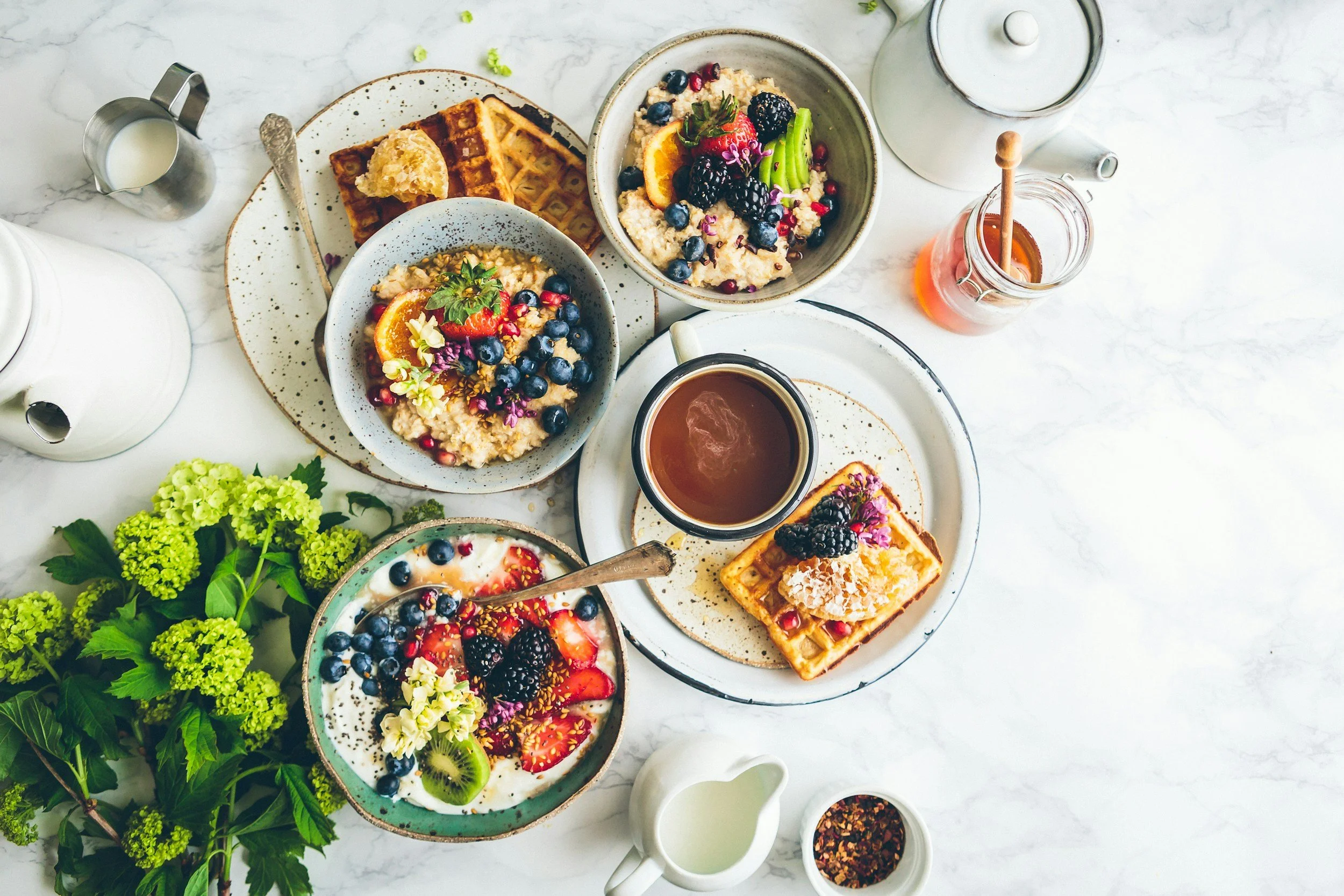
For many of us, our relationship with food is layered and complex, shaped by the ways we learned to cope, soothe, numb and seek safety. None of these are wrong. They are beautiful and brilliant ways we learned to manage nervous system activation or dysregulation in our bodies.
If we were never taught how to regulate our nervous system as children, the options available to us were either to stay with overwhelming sensations and emotions (anxiety, fear, overwhelm, terror, loneliness, grief, depression, racing thoughts) or to find a way to avoid them so we didn’t have to feel what was “too much” or not “enough”
Food is often one of the most accessible tools.
I want you to know that choosing to cope is not a failure it’s a sign of intelligence and survival.
Three ways food may have helped you survive
Food to cope
When you felt overwhelmed or distressed, eating may have helped your nervous system to find relief and avid uncomfortable emotions. Food can act like a container holding emotion that feel too big, too messy or too overwhelming to feel all at once. This pattern shows up in the evening when distractions lessen and what’s been held all day comes to the surface.
Night time can also be linked to past experiences of fear or harm, making food a source of comfort or dissociation. In these moments, food can be a way to soothe, numb or feel less alone. It can feel as though you’re not fully “here,” a temporary relief from the pain and suffering, and it’s often this loss of choice and control brings shame.
Food as control
When life has felt chaotic or unsafe internally, many of us adapt by finding something we can externally control which mike look like rules around what we eat or don’t eat. For some, this control can also carry an element of punishment toward the body, especially if it feels like the body has betrayed you.
Food as connection
When emotional or physical neglect is present whether in childhood or adulthood we are deprived of our basic human needs: connection, intimacy, being seen, safety and love. When these needs aren’t met, we still need something to survive and for many people food becomes that source of comfort, safety and connection.
This is why tuning towards people for these needs can feel threatening and risky, especially if people were once the source of harm, rejection or absence. Food feels familiar and safe. And the nervous system will always choose what is familiar even if it’s no longer what we truly need

A Little Reminder….
Food is not the problem. Food became a solution (often a very effective one) in moments where the nervous system needed relief, comfort, predictability and safety.
Healing your relationship with food doesn’t begin with more rules or willpower. It begins with supporting your nervous system so your body no longer needs food to do the job of regulation alone.
When the nervous system feels safer and more resourced:
urges soften rather than escalate
choice becomes available again
hunger and fullness cues slowly return
food can move from survival to nourishment
This isn’t about removing coping strategies before the system is ready. It’s about adding safety, support, and care so those strategies are no longer needed in the same way.
Food can then become what it was always meant to be: supportive, nourishing, connected and even joyful

If this resonated and you are looking for more some support with your relationship with food, I would love to chat x
Parts of this article were inspired by insights shared by Sarah Baldwin (sarahbaldwincoaching.com), whose work offers a rich, somatic and nervous-system-based perspective on healing.